
Your Symptoms Are Not Background Noise: How Paying Attention Early Changes Everything
The Symptoms You've Been Told Are Normal — And What They Might Actually Mean
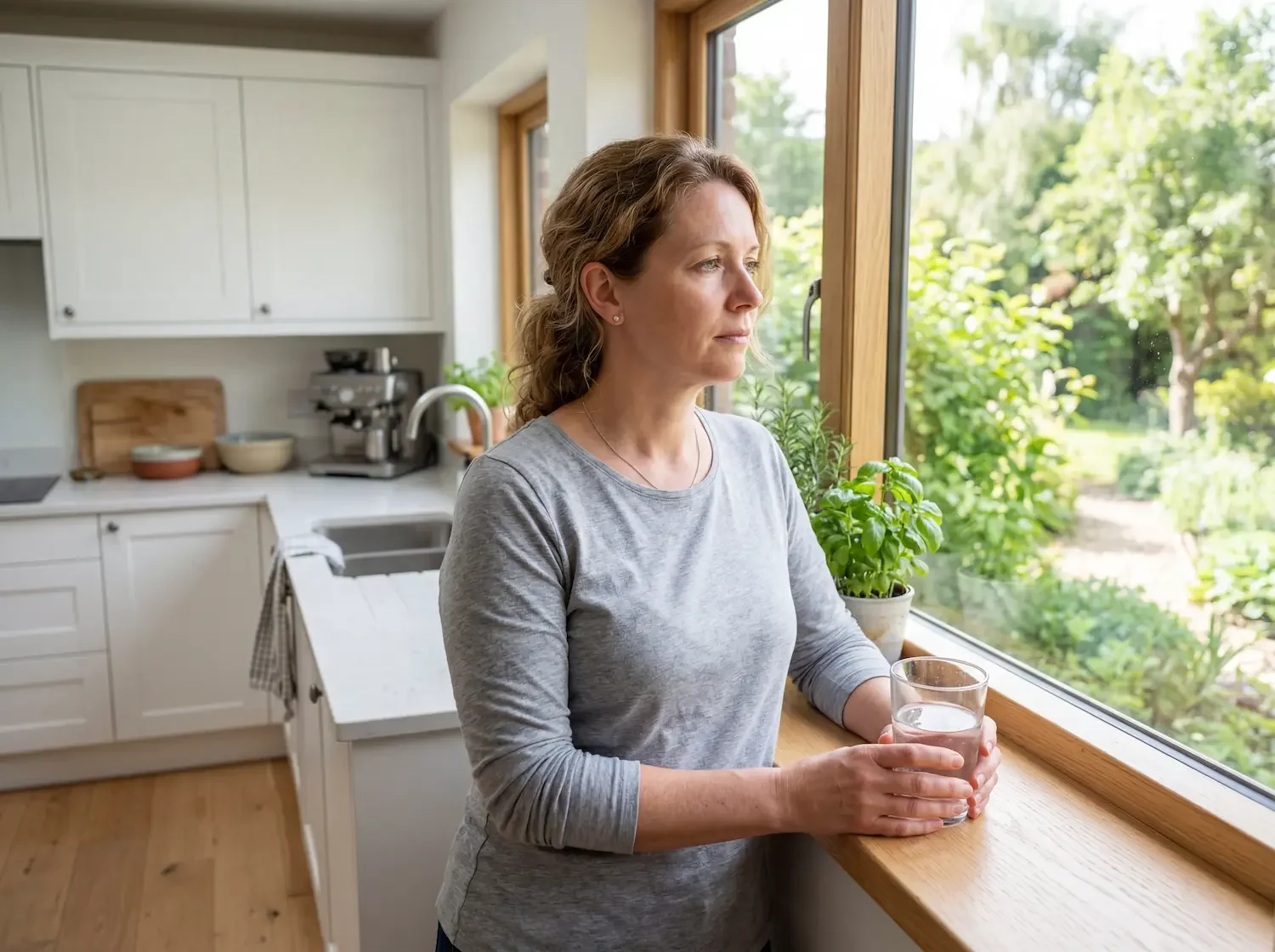
Most women don't ignore their health because they don't care about it. They ignore it because the system has trained them to. You bring something up, leave with a referral, and after a few cycles of that, you stop bringing things up. That's one of the quieter ways preventable conditions become serious ones.
Last updated: April 2026
Most women do not ignore their health because they do not care about it. They ignore it because the system has trained them to. You bring a concern to an appointment and leave with a pamphlet and a referral that takes six weeks to schedule. You describe something that feels off and are told your labs look fine, as if a normal lab panel settles the question. After a few cycles of that, you stop bringing things up.
This is one of the quieter ways in which preventable conditions become serious. Not through dramatic neglect, but through a slow accumulation of symptoms that never got the sustained attention they warranted.
Paying attention early and having a physician who can do the same is not about being hypervigilant. It is about treating the information your body produces as worth acting on.
The Symptoms That Get Normalized Longest
There is a particular category of symptom that women learn to absorb rather than report. It tends to be consistent enough to be familiar but not acute enough to feel urgent. Fatigue is the clearest example.
Persistent tiredness that does not resolve with a full night of sleep is among the most common complaints women bring to primary care, and also among the most frequently attributed to lifestyle before physiology. The clinical reality is different. Fatigue that does not lift with rest can be an early signal of thyroid dysfunction, iron deficiency anemia, autoimmune disease, cardiovascular changes, or the hormonal fluctuations of perimenopause. It is a symptom with a wide diagnostic range, which is exactly why it deserves investigation rather than reassurance.
Sleep disturbance falls into the same category. Waking frequently, difficulty falling asleep, or sleep that feels unrestorative often gets attributed to stress or screen time. But disrupted sleep is also a hallmark of perimenopause, thyroid imbalance, and mood disorders that respond well to targeted treatment. Chronic poor sleep has downstream effects on cardiovascular health, metabolic function, cognitive performance, and immune regulation. Treating it as a lifestyle issue rather than a clinical one delays care that can meaningfully improve function.
Irregular cycles, heavier or lighter periods, and cycle-related mood shifts are another area where women have often been told that variation is normal. Some variation is. But changes in menstrual pattern are among the body's most direct communications about hormonal and reproductive health, and they are worth evaluating in the context of a complete picture, not dismissed in isolation.
What the Midlife Window Actually Represents
The years between roughly 35 and 55 tend to be the ones in which women are least likely to prioritize their own healthcare. Careers are demanding, caregiving responsibilities are often at their peak, and the symptoms that emerge during this period are easy to fold into a general sense of being stretched too thin.
This is also the window in which a number of significant health trajectories are being set. Cardiovascular risk factors that begin accumulating in the mid-thirties become visible in clinical data by the mid-forties if no one is looking for them. Bone density loss, which accelerates in perimenopause, is silent until it is not. Metabolic shifts related to changing estrogen levels affect weight distribution, insulin sensitivity, and lipid profiles in ways that are highly modifiable early and much harder to address after years have passed.
Perimenopause itself often begins earlier than women expect, sometimes in the late thirties, and its symptom profile is broader than most people realize. Brain fog, joint pain, changes in mood and anxiety levels, heart palpitations, and shifts in libido are all documented symptoms of the menopause transition, not signs of aging or stress. When these go unrecognized for what they are, women spend years managing symptoms without understanding their source or knowing that effective treatment exists.
None of this is inevitable. It is manageable. But it requires a physician who is paying attention to the right things, and a model of care that allows for that kind of attention.

The Years When It's Easiest to Look Away
The mid-thirties to mid-fifties are when the most significant health trajectories get set — and when women are least likely to have the time or the clinical support to pay attention to them. That's the window worth protecting.
What Concierge Medicine Actually Changes
Concierge medicine operates on a membership model. Patients pay a monthly or annual fee that covers enhanced access to their physician, including same-day and next-day appointments, direct communication, and visits that last long enough to be substantive.
The structural difference is the patient panel. A concierge physician typically cares for 400 to 600 patients rather than 2,000 to 3,000. That reduction in volume translates directly into more time per patient, more thorough assessments, and a physician who actually knows your history without needing to read the chart summary while you're talking.
Annual wellness visits in a concierge practice routinely run 60 to 90 minutes. For patients managing chronic conditions, navigating a health transition, or simply trying to be proactive about their health, that time makes a measurable difference. Screenings get discussed. Concerns get followed up. Care gets coordinated rather than handed off.
Access outside of office hours is another consistent differentiator. When a patient has a health concern at 9 PM on a Sunday, a concierge practice offers a real path to their physician. Not a nurse line. Not a portal message that gets answered three days later. Direct contact with someone who knows them.
The Case for Concierge Care in Women's Health
For women, the case for concierge medicine is particularly compelling. Research consistently shows that women's symptoms are more likely to be dismissed or undertreated in high-volume primary care settings, particularly during midlife transitions like perimenopause and menopause. Appointments are often too short to surface the complexity of what patients are experiencing, and the physician-patient relationship are too shallow to create the trust needed to have those conversations honestly.
Concierge medicine changes the conditions under which care happens. When a physician has the time and the relationship, they can do what good primary care is supposed to do: understand the whole patient, not just the presenting complaint.
Concierge Medicine of Cincinnati: Three Locations, One Standard of Care
Concierge Medicine of Cincinnati has offered this model to Cincinnati-area patients since 2016. The practice operates across three locations in Mariemont, Kenwood, and Mason, with a clinical team that includes physicians and nurse practitioners with advanced training in internal medicine, women's health, and menopause management.
The practice uses an age-based membership structure with monthly fees ranging from $45 to $95, plus a per-visit fee. For patients who have been cycling through a fragmented, impersonal system, that cost buys something they have not been getting: a physician who knows them, time to be thorough, and access when it matters.
Patients describe the difference in concrete terms. Appointments that start on time. Visits that last long enough to cover what needs to be covered. A clinical team that they can reach directly. The ability to send a message and get a response from someone who has actually reviewed their history.
The practice's emphasis on women's health and menopause care reflects a recognition that these areas are persistently underserved in traditional settings. Providers at Concierge Medicine of Cincinnati hold certification in menopause management and bring clinical depth to the midlife health transitions that affect quality of life in ways that are real and treatable, when a physician has the time to address them properly.
A Different Kind of Primary Care Relationship
The phrase "concierge medicine" sometimes carries the implication that it is a luxury. That framing misses the point. Concierge medicine is primary care structured to do what primary care is supposed to do. The membership fee is what makes a sustainable patient panel possible. The smaller panel is what makes real clinical relationships possible. And real clinical relationships are what make better health outcomes possible.
For patients who have spent years being managed rather than cared for, the difference is not subtle. It shows up in caught screenings, addressed symptoms, coordinated referrals, and the basic experience of feeling known by a physician rather than processed by a system.
