
Why Patients Are Leaving Traditional Primary Care for Concierge Medicine
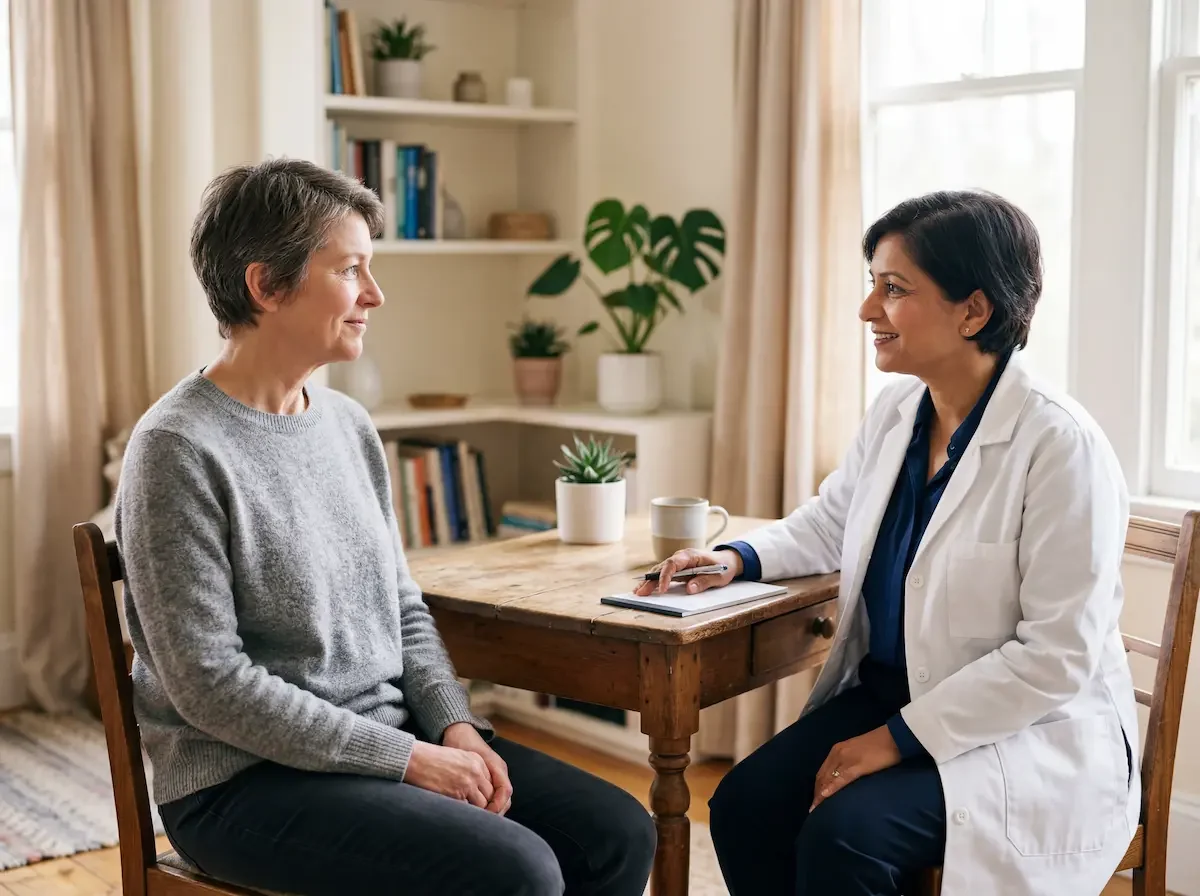
The Appointment That Changed Nothing — And Why It Keeps Happening
Three to four weeks for an appointment. Twenty-five minutes in the waiting room. Less than fifteen minutes with a physician who never looked up from a screen. That experience is not a fluke — it's the predictable outcome of a system under sustained structural pressure. And it's why patients across Cincinnati are choosing something different.
Last updated: April 2026
There is a moment that many patients describe in the same way. They waited three to four weeks for an appointment, sat in a waiting room for twenty-five minutes past their scheduled time, then spent less than fifteen minutes with a physician who never looked up from a screen. They left with a referral, a prescription, and the distinct sense that nothing had actually been addressed.
That experience is not a fluke. It is the predictable outcome of a primary care model under sustained structural pressure. And it is one of the main reasons patients across Cincinnati and the country are choosing concierge medicine instead.
The Numbers Behind What Patients Already Know
The average wait time for a new patient appointment now sits at 31 days nationally, a 48 percent increase since 2004. Traditional primary care physicians typically manage panels of 2,000 to 3,000 patients. With that kind of volume, the math does not work in any patient's favor. Appointments get compressed. Coordination suffers. Preventive care gets deferred.
Physician burnout compounds the problem. Administrative burden has grown steadily alongside electronic health record requirements, prior authorizations, and billing complexity. The result is a physician workforce that is stretched thin and a looming shortage projected to reach a deficit of up to 86,000 physicians by 2036.
None of this is the fault of individual physicians. Most went into medicine to do exactly what concierge medicine makes possible: know their patients, spend real time with them, and practice with clinical depth rather than speed. The traditional model has made that increasingly difficult.
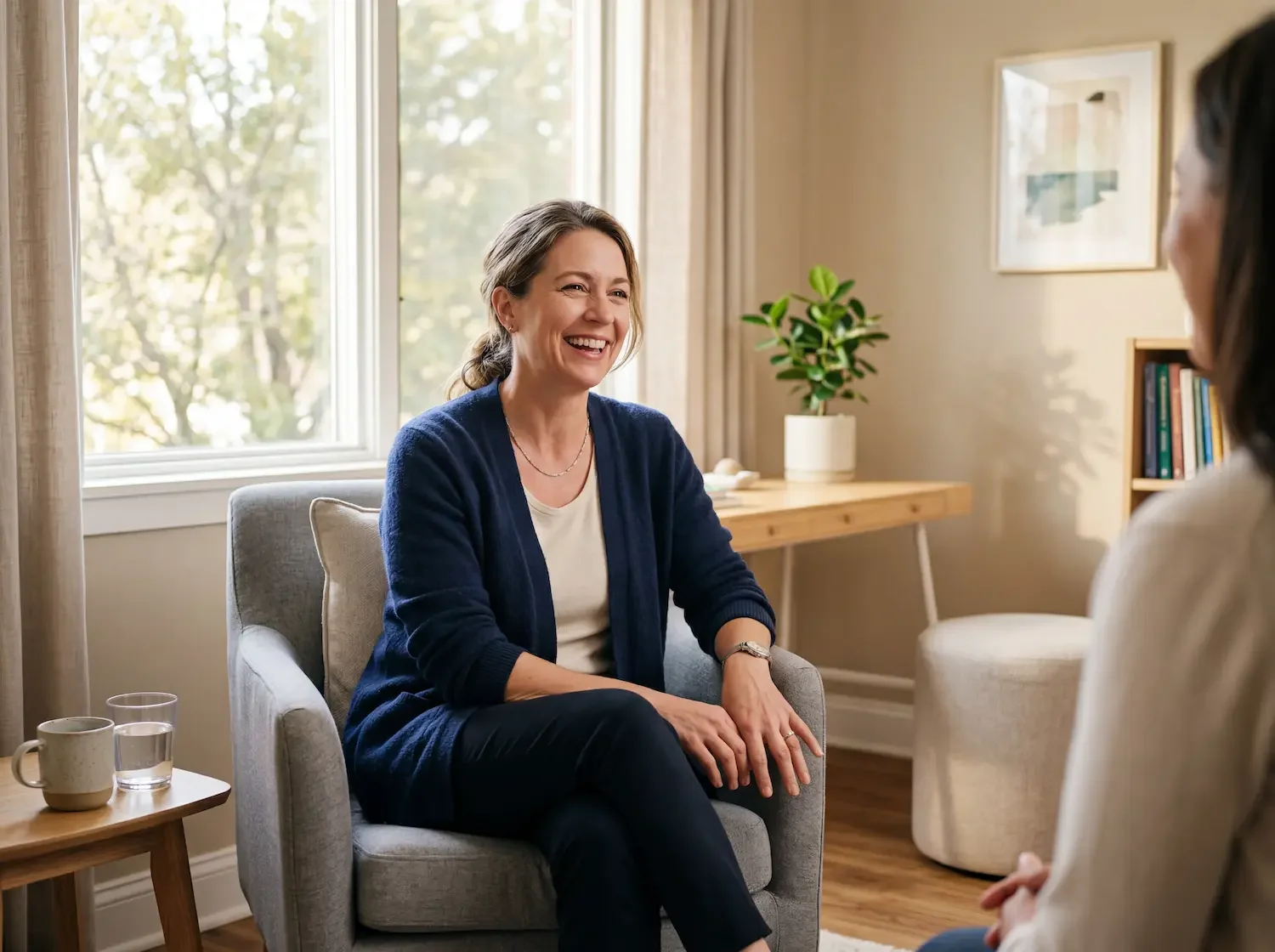
What It Feels Like When Your Doctor Actually Has Time
Appointments that start on time. Visits long enough to cover what needs covering. A clinical team you can reach directly. For patients who have spent years being managed rather than cared for, the difference isn't subtle.
What Concierge Medicine Actually Changes
Concierge medicine operates on a membership model. Patients pay a monthly or annual fee that covers enhanced access to their physician, including same-day and next-day appointments, direct communication, and visits that last long enough to be substantive.
The structural difference is the patient panel. A concierge physician typically cares for 400 to 600 patients rather than 2,000 to 3,000. That reduction in volume translates directly into more time per patient, more thorough assessments, and a physician who actually knows your history without needing to read the chart summary while you're talking.
Annual wellness visits in a concierge practice routinely run 60 to 90 minutes. For patients managing chronic conditions, navigating a health transition, or simply trying to be proactive about their health, that time makes a measurable difference. Screenings get discussed. Concerns get followed up. Care gets coordinated rather than handed off.
Access outside of office hours is another consistent differentiator. When a patient has a health concern at 9 PM on a Sunday, a concierge practice offers a real path to their physician. Not a nurse line. Not a portal message that gets answered three days later. Direct contact with someone who knows them.
The Case for Concierge Care in Women's Health
For women, the case for concierge medicine is particularly compelling. Research consistently shows that women's symptoms are more likely to be dismissed or undertreated in high-volume primary care settings, particularly during midlife transitions like perimenopause and menopause. Appointments are often too short to surface the complexity of what patients are experiencing, and the physician-patient relationship are too shallow to create the trust needed to have those conversations honestly.
Concierge medicine changes the conditions under which care happens. When a physician has the time and the relationship, they can do what good primary care is supposed to do: understand the whole patient, not just the presenting complaint.
Concierge Medicine of Cincinnati: Three Locations, One Standard of Care
Concierge Medicine of Cincinnati has offered this model to Cincinnati-area patients since 2016. The practice operates across three locations in Mariemont, Kenwood, and Mason, with a clinical team that includes physicians and nurse practitioners with advanced training in internal medicine, women's health, and menopause management.
The practice uses an age-based membership structure with monthly fees ranging from $45 to $95, plus a per-visit fee. For patients who have been cycling through a fragmented, impersonal system, that cost buys something they have not been getting: a physician who knows them, time to be thorough, and access when it matters.
Patients describe the difference in concrete terms. Appointments that start on time. Visits that last long enough to cover what needs to be covered. A clinical team that they can reach directly. The ability to send a message and get a response from someone who has actually reviewed their history.
The practice's emphasis on women's health and menopause care reflects a recognition that these areas are persistently underserved in traditional settings. Providers at Concierge Medicine of Cincinnati hold certification in menopause management and bring clinical depth to the midlife health transitions that affect quality of life in ways that are real and treatable, when a physician has the time to address them properly.
A Different Kind of Primary Care Relationship
The phrase "concierge medicine" sometimes carries the implication that it is a luxury. That framing misses the point. Concierge medicine is primary care structured to do what primary care is supposed to do. The membership fee is what makes a sustainable patient panel possible. The smaller panel is what makes real clinical relationships possible. And real clinical relationships are what make better health outcomes possible.
For patients who have spent years being managed rather than cared for, the difference is not subtle. It shows up in caught screenings, addressed symptoms, coordinated referrals, and the basic experience of feeling known by a physician rather than processed by a system.
